Chinese Home Embroidery Design Review
First Impressions of Chinese Home
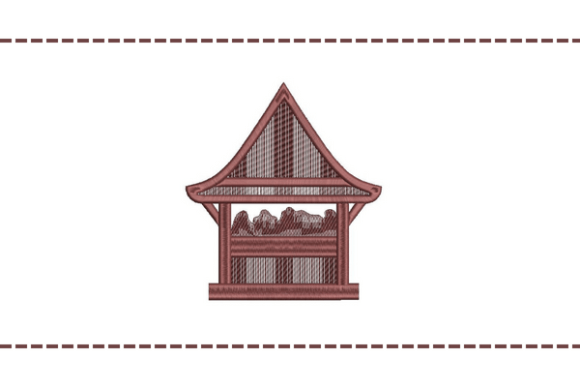
The Chinese Home embroidery design exudes a cozy and artistic vibe, making it ideal for small business merch that aims to create a warm and inviting brand identity. The design feels handcrafted yet professional, with a balance of elegance and simplicity that can appeal to a wide range of customers. Its visual personality leans toward rustic and handmade, which makes it perfect for boutique merchandise, artisanal products, and custom apparel.
Real Business Use of Chinese Home
As an experienced embroidery designer, I’ve tested Chinese Home on various items such as embroidered patches, apron embroidery, cap embroidery, and tote bag design. It performs well on larger surfaces where the details can shine, but it requires careful consideration when used in smaller formats. For small business merch, this design can be a strong branding tool, especially when used as a chest logo accent or sleeve detail on work shirts and uniforms.
- Embroidered patches: Works great for branded product add-ons and customer gifts.
- Apron embroidery: Adds a decorative touch to kitchen wear and service uniforms.
- Cap embroidery: Suitable for casual caps, but may need simplification for high stitch density areas.
- Tote bag design: A versatile choice for eco-friendly shopping bags and promotional items.
Where to Use Chinese Home Carefully
While Chinese Home is visually appealing, there are certain applications where it may not perform optimally. On small patch sizes, the intricate details might get lost, making it less effective as a logo or label. When applied to curved surfaces like cap fronts, the design may require adjustments to maintain its integrity. Tiny lettering or detailed outlines could also be problematic on textured fabric or dark uniforms, where contrast becomes essential.
High stitch density and complex outlines might cause issues on delicate materials, so testing the embroidery file on real fabric before production is crucial. Additionally, frequent washing can affect the longevity of the design, especially if the stabilizer isn’t properly applied.
Impact on Brand Identity and Customer Trust
Chinese Home has the potential to enhance brand identity by adding a unique and artistic touch to custom apparel and small business merch. Its cozy aesthetic can help build emotional connections with customers, reinforcing a sense of trust and recognition. When used consistently across different product lines, it contributes to visual consistency, which is vital for handmade product presentation and buyer engagement.
This design can elevate the perceived value of a finished product, especially when paired with appropriate thread colors and proper hoop size. It also serves as a strong visual element for printable mockups, allowing businesses to showcase their brand before production begins.
Practical Tips for Embroidery Designers
Before finalizing any project with Chinese Home, consider these key steps:
- Test the machine embroidery design in black and white to assess how it translates on different fabrics.
- Check if the design works at small patch size to ensure clarity and readability.
- Review thread color contrast to make sure the design stands out on the intended fabric.
- Inspect spacing and outline details to avoid overcrowding or distortion.
- Confirm the hoop size required for your embroidery machine to ensure compatibility.
- Test the embroidery file on real fabric to evaluate how it looks and feels.
- Use the proper stabilizer to prevent puckering or shifting during stitching.
- Create a printable mockup for client approval before starting mass production.
- Compare Chinese Home beside other design assets to maintain visual harmony.
- Confirm commercial licensing terms before using it for business projects.
Conclusion: Chinese Home for Small Business Success
Chinese Home is a versatile machine embroidery design that can serve multiple purposes for small business owners, Etsy sellers, and crafters. Its artistic flair and cozy feel make it a great fit for branded merchandise, custom apparel, and handmade products. However, careful planning and testing are essential to ensure it meets the demands of commercial embroidery and maintains its quality over time.
By understanding its strengths and limitations, embroidery shops and product designers can leverage Chinese Home to create meaningful and visually appealing designs that resonate with customers and strengthen brand presence. Whether used as an apron embroidery detail, a tote bag design, or a cap embroidery accent, this design offers creative potential when approached with attention to detail and practical execution.