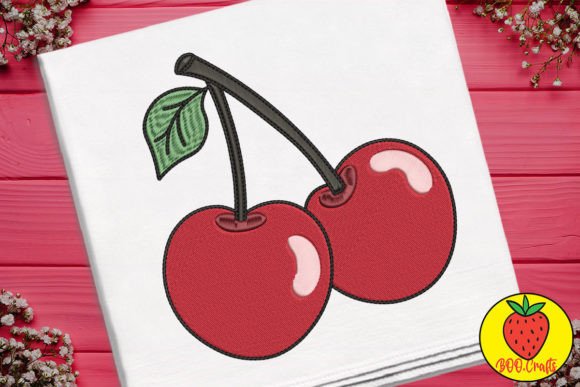
Cute Cherry Embroidery Design
As an experienced embroidery designer preparing for a craft fair, I’ve evaluated countless machine embroidery designs. One that stands out is the Cute Cherry embroidery design. With its charming appeal and versatility, it has the potential to become a top seller in your booth. Let’s break down why this design works—and where it might fall short.
First Impressions of Cute Cherry
The Cute Cherry design immediately conveys a soft, whimsical vibe. It feels like a modern take on the classic fruit motif, blending cuteness with a touch of elegance. The description hints at high-quality work, and from a visual standpoint, it appears to be well-balanced and eye-catching. It leans toward a farmhouse aesthetic, making it perfect for rustic or cozy-themed products.
Where Cute Cherry Shines
When placed on items like tote bags, aprons, and tea towels, Cute Cherry becomes a focal point that draws attention. Its size and shape make it ideal for both small accents and larger designs. On a tote bag design, it adds a personal touch that customers love. On an apron embroidery, it can be a subtle but meaningful detail that enhances the overall look.
- Tea towel embroidery – A perfect canvas for this design, offering a functional yet decorative item.
- Embroidered patch – Great for adding to jackets, backpacks, or as a standalone accessory.
- Fabric pouches – Small, portable, and easy to display, these can be sold as gift items or booth samples.
- Pillow covers – Adds a warm, inviting feel to home decor items.
Practical Selling and Production Points
Cute Cherry is visually simple enough to be recognized at a glance, which is crucial for a craft fair setting. It works well as both a small accent and a large focal design, giving you flexibility in how you use it across different products. When photographed for online listings, it maintains clarity and charm, making it a strong candidate for Etsy seller listings or digital embroidery file sales.
From a production standpoint, the design likely has a manageable stitch count, allowing for efficient batch production. However, always test it on scrap fabric before committing to large quantities. This ensures that the stitch density is consistent and that the design doesn’t get lost on certain fabrics.
Careful-Use Notes
While Cute Cherry is generally straightforward, there are a few considerations:
- Dense stitch areas – If the design has intricate details, ensure the stabilizer is appropriate for the fabric type.
- Tiny details – These may not show up clearly on smaller items or when stitched at a reduced scale.
- Thick fabric – May require additional layers of stabilizer to prevent puckering or distortion.
- Textured towels – Can affect the visibility of the design; consider using lighter thread colors for contrast.
- Curved cap surfaces – May need special hoop techniques to ensure even stitching.
- Dark fabric – Dark backgrounds may require a contrasting thread color to make the cherry stand out.
Impact on Visual Appeal and Customer Engagement
Cute Cherry adds a sense of warmth and personality to any product. It can elevate the perceived value of a handmade product, making it more appealing to buyers looking for unique, artisanal items. On a craft fair product, it helps create a cohesive booth display that feels curated and thoughtful.
As an embroidery designer, I know that consistency in branding is key. Cute Cherry offers a clean, repeatable design that can be used across multiple product lines, helping to reinforce your brand identity. It also encourages customer engagement—people often ask about the story behind the design or how it was made.
Embroidery Designer Notes
Before finalizing your commercial embroidery plans, here are a few steps to take:
- Test the design on scrap fabric to see how it looks in real life.
- Check thread contrast against the fabric color to ensure visibility.
- Review spacing to avoid overcrowding or distortion.
- Confirm hoop size requirements for your machine.
- Inspect stitch density for consistency and quality.
- Use the right stabilizer based on the fabric type.
- Create at least one real mockup to see how it looks in context.
- Compare fabric colors to ensure the design matches your vision.
- Confirm commercial licensing before selling finished products.
Final Thoughts on Cute Cherry
The Cute Cherry embroidery design is a solid choice for anyone looking to add a charming, versatile element to their small shop product lineup. Whether you’re an Etsy seller, a handmade shop owner, or a craft fair vendor, this design has the potential to attract attention and drive sales. Just be mindful of the practical considerations outlined above to ensure the best results.
With careful planning and execution, Cute Cherry can become a staple in your collection, helping you stand out in a competitive market while delivering quality and style to your customers.